Gothenburg Food Escape

Ravish Kumar
| 17-09-2026
 · Travel Team
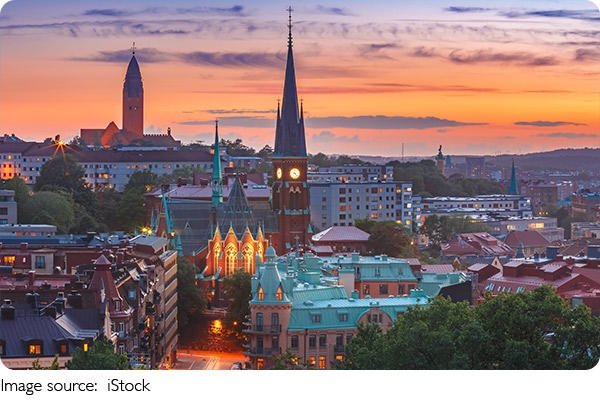
Gothenburg is becoming one of Scandinavia’s most exciting destinations for food lovers. While Sweden’s second-largest city has long been known for its maritime fresh seafood, a new generation of restaurants, markets and culinary experiences is transforming it into a modern gastronomic destination.
Located where the Göta älv river meets the North Sea, Gothenburg combines urban creativity with the natural beauty of a vast archipelago.
Visitors can spend the morning exploring innovative restaurants in the city centre and the afternoon travelling by boat to small islands where local seafood is served with views of the Atlantic coastline.
A Seafood Capital by the Sea
Gothenburg’s relationship with seafood dates back centuries. Thanks to the cold, clean waters surrounding the west coast, the city has become famous throughout Sweden for its fish and shellfish.
One of the best places to experience this tradition is Feskekörka, the historic fish market whose name translates as “fish hall” because of its distinctive building design inspired by a traditional place of worship.
Originally opened in 1874, the market has become one of the city’s most recognisable food destinations.
Inside, visitors can find specialist seafood restaurants and stalls offering local products, from oysters and crab to prawns and lobster.
The market has also introduced a seafood festival celebrating west coast ingredients, attracting both locals and visitors interested in Swedish culinary traditions.
Markets and Modern Dining
Gothenburg’s food scene extends far beyond traditional seafood. The city’s historic market halls and new food spaces showcase a mixture of Nordic cuisine and international influences.
Stora Saluhallen, a 19th-century market in the city centre, is a popular stop for visitors looking for fresh ingredients, cafés and restaurants. It offers everything from local specialities to modern interpretations of Scandinavian cooking.
Newer venues are also changing the city’s culinary identity. Riverside food markets and creative dining spaces combine street food, live entertainment and relaxed social environments.
Vässen Market, located near the harbour, brings together different cuisines, pop-up restaurants and cultural events. Visitors can enjoy international dishes while overlooking the river.
Vässen Market
Michelin Stars and Creative Cuisine
Gothenburg has developed a strong reputation for high-end dining, with several Michelin-starred restaurants offering innovative approaches to Nordic cooking.
Restaurants such as Signum and Project demonstrate how chefs are combining traditional Swedish ingredients with influences from France, Italy and Asia.
Modern Gothenburg cuisine focuses on seasonal products, creative techniques and carefully balanced flavours. Seafood remains an important element, but chefs increasingly experiment with global ingredients and new culinary styles.
The city currently offers a range of experiences, from affordable Michelin Guide-listed restaurants to ambitious tasting menus.
Island Food Adventures
One of Gothenburg’s greatest advantages is its nearby archipelago, made up of thousands of islands that are easily accessible from the city.
Hönö is one of the most popular destinations for food-focused trips. The island combines colourful houses, coastal scenery and excellent seafood restaurants.
Visitors can enjoy fresh seafood platters, fish soup, mussels and locally inspired dishes while overlooking the sea.
Boat trips provide another memorable experience, including seasonal fishing tours and seafood excursions. In autumn, some operators offer lobster trips, allowing visitors to experience local traditions directly.
Gothenburg
Practical Travel Information
Gothenburg is easy to explore thanks to its efficient public transport system, which includes trams and ferries. A day travel ticket costs around €8–10 and allows visitors to move between the city and nearby islands.
A comfortable travel budget is approximately €120–220 per person per day. Mid-range hotels usually cost around €100–180 per night, while restaurant meals range from €20–50 per person. Fine dining experiences can cost significantly more, especially tasting menus.
The best time for a food-focused visit is from late spring to early autumn, when outdoor dining, seafood festivals and island trips are at their most enjoyable.
Sweden’s Rising Food Destination
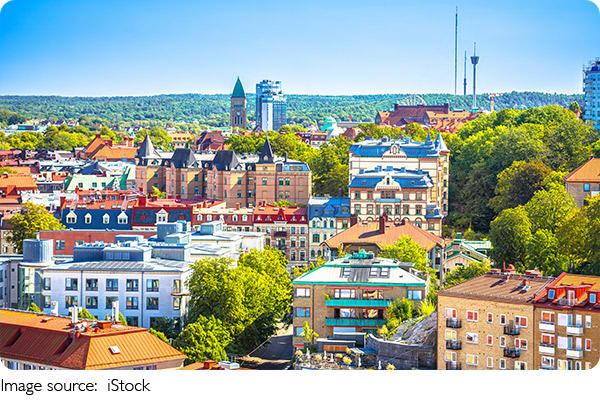
Gothenburg offers a rare combination of urban creativity and coastal authenticity. Visitors can explore Michelin-starred restaurants, historic markets and peaceful islands within the same trip.
With its growing restaurant scene, fresh seafood traditions and easy access to nature, Gothenburg is proving that Sweden’s culinary identity extends far beyond Stockholm. For travellers searching for a destination where food, culture and landscapes come together, this Scandinavian city offers a memorable gastronomic escape.