Lithuania’s Hidden Duo

Mukesh Kumar
| 17-09-2026
 · Travel Team
Lithuania is becoming one of Europe’s most appealing alternatives for travellers looking beyond crowded capitals.
The country’s two main cities, Vilnius and Kaunas, offer very different experiences: one combines baroque architecture and medieval charm, while the other reveals a creative atmosphere shaped by modernist design and street art. Together, they create a compact and affordable city break with plenty to discover.
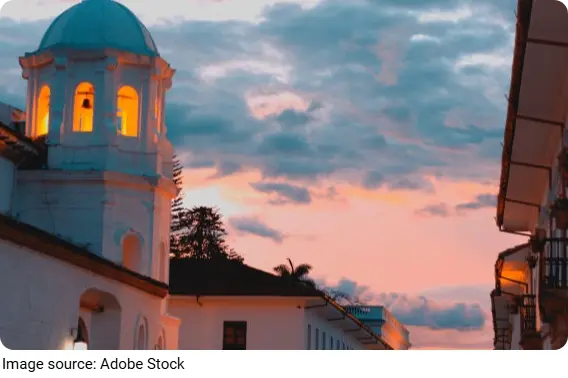
Vilnius: history with a modern edge
Lithuania’s capital Vilnius is a city where centuries of history blend naturally with contemporary culture. Its UNESCO-listed Old Town is one of the largest preserved historic centres in Europe, filled with narrow cobbled streets,, courtyards and colourful buildings.
A walk through the Old Town should include Gediminas Tower, which offers panoramic views over the city, and the artistic district of Užupis, a bohemian neighbourhood known for galleries, cafés and its unusual creative spirit.
Beyond its historic streets, Vilnius has developed a reputation for its relaxed atmosphere and growing food scene. Visitors can find everything from traditional Lithuanian dishes to modern European cuisine. A meal at a casual local restaurant usually costs around €10–20 per person, while coffee and pastries in independent cafés are often available for €3–6.
The city is also relatively affordable compared with many Western European capitals. Budget travellers can expect to spend around €50–80 per day, including accommodation in a budget hotel or guesthouse, meals and public transport. Comfortable mid-range trips usually cost around €100–150 per day.
Vilnius
Kaunas: Lithuania’s Creative Second City
Just about an hour from Vilnius, Kaunas offers a completely different atmosphere. The city’s interwar modernist architecture was added to the UNESCO World Heritage List in 2023, recognising buildings created between 1919 and 1939 as examples of optimistic modern design.
Kaunas is ideal for travellers who enjoy exploring on foot. The historic Old Town, Kaunas Castle and Town Hall Square provide a traditional European atmosphere, while the long pedestrian boulevard Laisvės alėja is lined with cafés, shops and restaurants.
Art lovers should visit the M. K. Čiurlionis National Art Museum, dedicated to one of Lithuania’s most important artists, while the unusual Devils’ Museum offers one of the city’s most distinctive cultural experiences. For a deeper historical visit, the Ninth Fort museum explores one of the darkest chapters of Lithuania’s past.
A day trip from Vilnius is possible, but staying overnight allows more time to experience Kaunas’ cafés, nightlife and slower pace. The train journey takes around an hour, with tickets generally costing around €10 for faster services. Buses are also available and usually cost around €7–13.
Nature, Food And Practical Tips
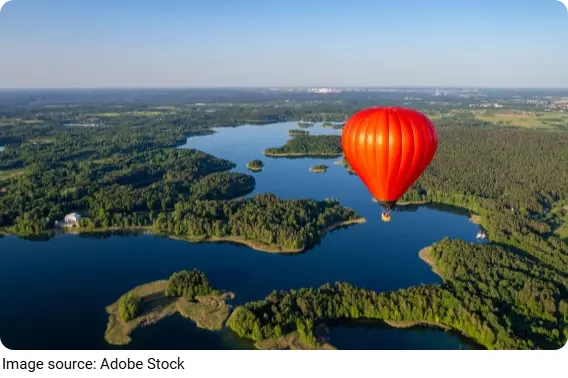
One of Lithuania’s advantages is that visitors do not need to choose between city exploration and nature. Around Vilnius, travellers can visit lakes, forests and walking areas such as the Green Lakes region or enjoy outdoor activities during warmer months.
The best time to visit is from May to September, when temperatures are comfortable for walking and outdoor cafés are open. Summer offers long daylight hours and festivals, while autumn brings colourful forests and fewer visitors. Winter can be magical, especially in Vilnius, with Christmas markets and a quieter atmosphere, although temperatures are often below freezing.
Accommodation remains affordable throughout the year. A simple double room or well-rated guesthouse usually costs around €40–80 per night, while stylish boutique hotels often range from €90–150.
Lithuanian cuisine is another highlight of the trip. Visitors should try traditional dishes such as cepelinai (potato dumplings with meat filling), šaltibarščiai (cold beetroot soup) and local rye bread. A traditional meal in a local restaurant generally costs around €15–25.
A Baltic Escape Worth Discovering
Vilnius and Kaunas work perfectly together because they show two sides of Lithuania. The capital offers historic beauty, cultural diversity and a lively atmosphere, while Kaunas reveals the country’s modernist heritage and creative energy.
For travellers searching for an affordable European getaway with fewer crowds, Lithuania provides a rare combination of architecture, nature, good food and authentic local experiences. A few days between these two cities are enough to discover a destination that feels both welcoming and refreshingly different from Europe’s more familiar tourist routes.