Europe’s EV Roadblock

Liam Reilly
| 17-09-2026
 · Vehicle Team
The latest industry analysis shows that electric vehicle adoption is increasing across Europe, yet the move away from traditional engines remains uneven. While sales figures suggest steady progress, issues such as charging infrastructure, affordability and industrial competitiveness continue to create obstacles.
The transition is moving forward, but the foundations needed for a fully electric future are still developing.
Growth In Electric Vehicle Adoption
Europe’s electric vehicle market has expanded significantly in recent years, with more drivers choosing battery-powered cars as manufacturers introduce a wider range of models. Government policies, stricter emissions targets and investment from automakers have all contributed to the growth of electric mobility.
Battery electric vehicles now represent a larger share of new car registrations compared with previous years, and many European manufacturers have accelerated plans to develop electric platforms and expand their EV line-ups.
However, overall progress varies greatly between countries. Some markets have achieved rapid adoption thanks to strong incentives, reliable charging networks and higher consumer purchasing power, while others continue to face difficulties in creating the conditions needed for mass adoption.
Infrastructure Remains A Major Challenge
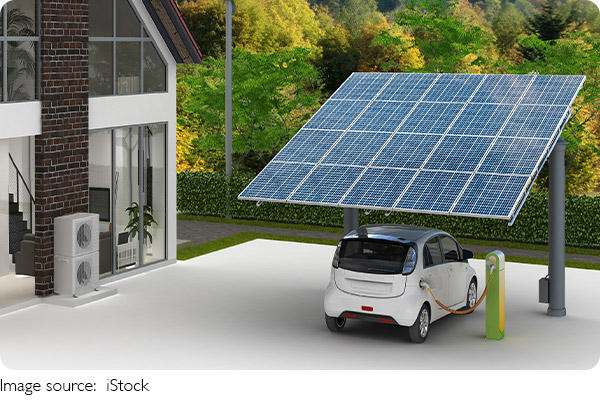
One of the biggest barriers to wider electric vehicle use is the availability of charging infrastructure.
Although the number of public charging points across Europe is increasing, expansion has not always matched the pace required to support a fully electric transport system. Many regions still lack enough fast-charging stations, particularly outside major cities and along important travel routes.
For many consumers, concerns about charging availability remain a key factor when deciding whether to buy an electric vehicle. Drivers need confidence that they can easily charge their cars at home, at work or during longer journeys.
Improving infrastructure will require significant investment, better coordination between countries and faster deployment of charging networks.
Competition And Industrial Pressure
Europe’s automotive industry is also facing increasing competition from global manufacturers, particularly companies from China that have rapidly expanded their electric vehicle production.
European carmakers are investing heavily in battery technology, software development and new manufacturing processes to remain competitive. However, the industry must manage this transformation while protecting existing jobs and adapting factories built around traditional engines.
The shift to electric mobility is not only a change in vehicle technology but also a major industrial transformation affecting supply chains, skills and manufacturing strategies.
A transition That Requires Long-Term Planning
Europe’s move toward electric vehicles is progressing, but the latest analysis highlights that reaching long-term climate and transport goals will require more than increasing EV sales.
A successful transition depends on creating a complete ecosystem: affordable vehicles, reliable charging networks, competitive manufacturing and policies that support consumers and businesses.
Electric cars are becoming an increasingly important part of Europe’s transport future, but the next stage of the transition may be the most challenging. Building the infrastructure and economic conditions needed for widespread adoption will determine whether Europe can turn progress on paper into a fully functioning electric mobility system.