Italy's Dolomites Guide
Caleb Ryan
| 28-04-2026
 · Travel Team
The first time most people see the Dolomites in a photograph, they assume it's been edited.
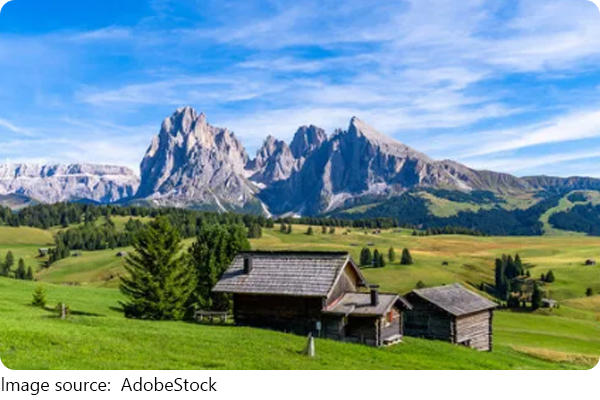
The peaks are too sharp, the rock too pale and theatrical, the contrast between limestone cliffs and green meadows almost unreasonably perfect. Then they arrive in person and realize the photos actually undersell it.
These are 18 peaks rising above 3,000 meters, carved from ancient coral reef rock over millions of years, and they genuinely look like nothing else in Europe. Whether you come to hike, ski, or just drive the mountain passes with the windows down, the Dolomites deliver.
Getting There
The Dolomites don't have their own major airport, so most visitors fly into Venice Marco Polo Airport or Innsbruck in Austria. Venice is generally the easiest option with the widest flight connections. From Venice, renting a car is by far the most practical choice — it costs around $50 to $150 per day, the roads are well maintained, and the scenery on the drive itself is already worth the trip.
Car rental also gives you the flexibility to move between valleys, which matters because the Dolomites cover a vast area. If you prefer public transport, buses and trains from Venice to Cortina d'Ampezzo, Bolzano, and Val Gardena run regularly, costing around $50 to $100 depending on the route.
Must-See Highlights
Tre Cime di Lavaredo is the single most iconic sight — three rocky spires rising side by side above a high plateau. The circular trail around them is about 10 kilometers, relatively manageable, and the views from every angle are extraordinary. Go before 7:30 AM to beat the crowds, which by mid-morning are genuinely overwhelming in summer.
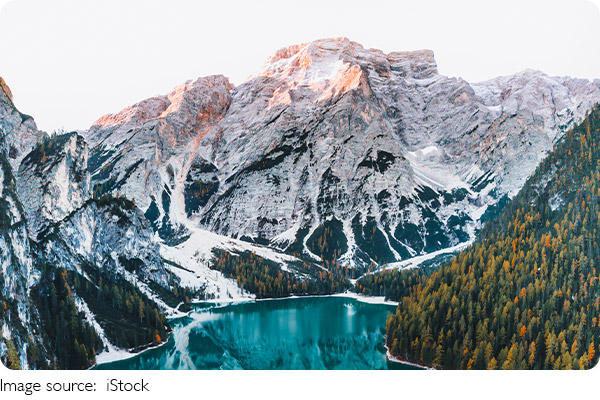
Lago di Braies is an impossibly turquoise alpine lake surrounded by dense forest and pale peaks. Between July and early September, the access road is closed to private vehicles between 9:30 AM and 4 PM — so either plan to arrive very early or take the shuttle bus from Braies village.
Seceda in Val Gardena is the ridgeline shot you've seen everywhere on travel feeds — a sweeping viewpoint above Ortisei looking out at the jagged Odle peaks with the valley floor far below. Take the cable car from Ortisei, which costs around $30 to $50 return, or hike up if you have strong legs.
Dolomites
Best Time to Visit
Late June and September are the sweet spots — the weather is reliable, all cable cars and rifugi are open, wildflowers are out or the landscape has turned early autumn gold, and the crowds are noticeably smaller than in July and August. Winter from December through March is ski season, with the Dolomiti Superski network being one of the finest in the Alps, centered around Cortina d'Ampezzo and Val Gardena.
Where to Stay
Budget travelers will find small B&Bs and guesthouses starting around $45 to $90 per night, though these are more plentiful in less famous towns. Mid-range hotels and guesthouses in the main areas run $150 to $270 per night, most including breakfast. Luxury properties with spas and mountain views start around $330 and can climb significantly higher during peak season.
One of the most memorable accommodation experiences in the Dolomites is spending a night in a rifugio — a mountain hut positioned high on the trails. There are around 400 across the range. Most offer dormitory-style rooms and hearty meals for around $40 to $80 per night including breakfast and dinner. They book out weeks in advance in summer, so plan early.
The Dolomites reward travelers who slow down and stay longer. Five to seven days is the sweet spot for experiencing both the eastern and western sections without feeling rushed. Get an early start each morning, watch the sunset turn the pale limestone walls orange and gold, and you'll understand why people keep coming back.