Car Design Aesthetics

Amit Sharma
| 19-03-2026
 · Vehicle Team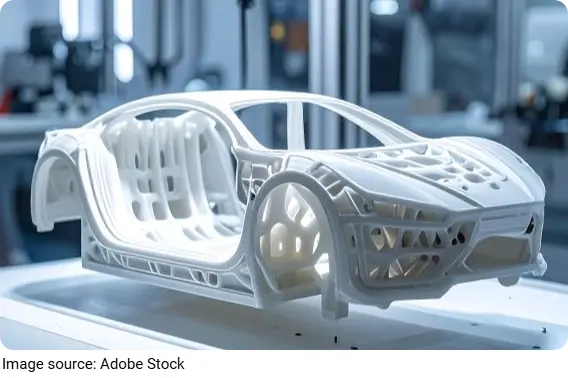
From early silhouettes drawn by pen to today's digitally sculpted shapes, automotive design reveals a compelling narrative ruled by both artistic vision and engineering logic.
Car designers balance visual appeal with performance, integrating advanced materials, aerodynamics, and cutting edge technology to create vehicles that not only move efficiently through space but also stir emotion.
The evolution of car design reflects how aesthetics and function have grown inseparable, shaping vehicles that are beautiful, efficient, and highly innovative.
Exterior Design: Sculpting Function and Form
At the exterior level, design begins with the car's proportions, the trajectory of its lines, and the interaction of surfaces — all meant to convey a unique visual identity. Modern designers increasingly rely on aerodynamic principles to ensure that cars are not only attractive but also efficient. Computational fluid dynamics (CFD) tools allow design teams to simulate airflow and refine shapes that reduce drag while preserving an elegant profile. This leads to sleek, streamlined silhouettes that visually communicate speed and fluidity.
Additionally, aesthetic trends in contemporary automotive design often embrace minimalism and continuity in surface treatment, allowing forms to flow smoothly from nose to rear without unnecessary interruptions. Such streamlined profiles do more than look good: they help improve efficiency by minimizing air resistance, which benefits both performance and sustainability.
Materials Innovation: Lightness Meets Visual Appeal
Innovative materials play a key role in modern car design, shaping both aesthetics and performance. Advanced composites like carbon fiber reinforced polymers and high strength alloys enable designers to reduce weight without compromising strength. These materials make possible sculptural forms that were once difficult or impossible to manufacture at scale. They are often finished in visually striking textures or exposed structural elements that enhance the vehicle's character.
Another emerging area is self healing materials, which can autonomously repair minor damage such as scratches or small cracks. This kind of material not only improves long term durability but also preserves the vehicle's visual appeal over time — blending functional resilience with design longevity.
Interior Design: Comfort, Technology, and Beauty
Inside the cabin, design aesthetics meet human centric engineering. Materials like sustainably sourced fabrics, premium textiles, and innovative surfaces help create environments that feel both luxurious and functional. Designers use digital tools to visualize how touchpoints — such as dashboard interfaces, seating, and control layouts — affect both comfort and visual harmony.
The integration of technology into interiors has also become a hallmark of modern car design. Touchscreens, adaptive lighting, and intuitive control clusters are designed not just for utility but to create a cohesive visual language throughout the cockpit. These elements elevate the interior from a purely functional space to one of refined interaction and emotional resonance.
The Role of Intelligent Tools in Design Innovation
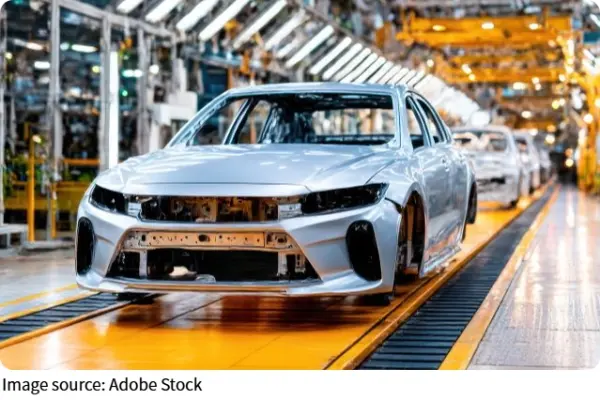
Digital innovation increasingly drives automotive design workflows. Artificial Intelligence (AI) and advanced simulation tools now assist in generating design concepts, predicting aerodynamic performance, and rapidly iterating aesthetic variations. These technologies allow designers to explore more creative possibilities while ensuring that form and function are balanced in every decision. AI reduces the time needed for testing and evaluation, empowering design teams to innovate faster and with higher precision.
Moreover, AI augmented design frameworks help bridge the gap between creative intuition and technical performance metrics, enabling a more holistic approach to styling that integrates efficiency, sustainability, and visual impact.
Reflection: Design as the Soul of the Automobile
The evolution of automotive design reveals that cars are far more than mechanical objects — they are expressions of cultural shifts, technological possibility, and human aspiration. By fusing aesthetics with engineering, designers produce vehicles that resonate emotionally and perform effectively in real world conditions.
The ongoing convergence of digital tools, innovative materials, and aerodynamic science suggests a future where design becomes more adaptive, expressive, and sustainable. This journey illustrates that good design isn't just about appearance: it is about creating meaning, enhancing experience, and pushing the boundaries of what mobility can be.