Effortless Street Style

Pankaj Singh
| 05-03-2026
 · Lifestyle Team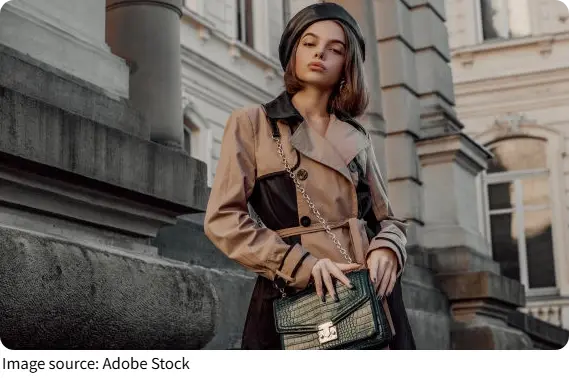
Scrolling through a busy city street, you might notice someone walking by with an outfit that seems effortless yet perfectly put together. Perhaps it's a soft oversized sweater paired with tailored pants, or crisp sneakers matched with a chic coat.
Street-style modeling isn't about flamboyance; it's about showing how fashion fits into real life, how comfort meets style, and how small details can transform an everyday look into something inspiring.
Defining Street-Style Modeling
1. Practical Fashion in Motion
Street-style models focus on clothing that people can actually wear during their daily routines. Unlike high-fashion runway shows, these outfits prioritize comfort, movement, and versatility. A model walking with confidence in a crossbody bag, lightweight jacket, and jeans can demonstrate how pieces function in real life, from commuting to casual meet-ups.
2. Capturing Personality Through Wardrobe
The best street-style looks tell a story. Models choose accessories, layers, and textures that highlight individuality—like a pop of color from a scarf or a unique pattern on sneakers. The goal is to show that clothing isn't just fabric; it's a reflection of character and lifestyle.
3. From Casual to Smart-Casual
Street-style modeling often bridges casual and professional aesthetics. For example, a model might combine tailored trousers with a soft knit and loafers, demonstrating how the same outfit can transition from a daytime coffee run to an informal meeting. These combinations teach audiences practical ways to upgrade their everyday wardrobe.
Key Elements of Effective Street-Style Shots
1. Choosing the Right Location
The environment matters. Urban streets, cafes, and parks provide natural backdrops that complement the look. Models should interact naturally with the setting—sitting on steps, walking across crosswalks, or leaning casually against walls—to make the fashion feel relatable.
2. Highlighting Movement
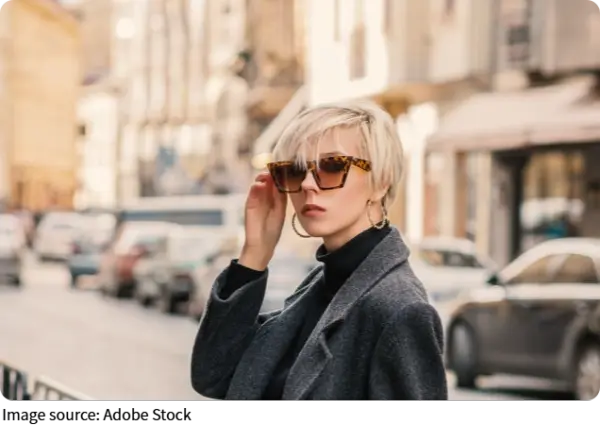
Subtle motion adds realism. A model adjusting a jacket, walking with a stride, or carrying a tote bag can show how clothing moves and fits in practice. Photographers often capture multiple angles to highlight flow, drape, and proportion.
3. Attention to Styling Details
Accessories, layers, and textures make a big difference. Watches, belts, hats, or even rolled-up sleeves can transform a simple outfit into a polished street look. Models must balance statement pieces with basics to maintain authenticity and relatability.
Practical Tips for Aspiring Street-Style Models
1. Know Your Comfort Zone
Choose clothing that allows natural movement. Even the most photogenic outfit falls flat if the model appears uncomfortable or restricted.
2. Mind the Color Palette
Neutral tones, pastels, and earth colors often work best for everyday looks, but small pops of color can attract attention and create a signature style.
3. Engage with the Camera Naturally
Street-style photography thrives on authenticity. Avoid stiff poses; instead, interact with the environment, glance sideways, or walk naturally. The goal is to inspire audiences with achievable, real-life fashion.
Street-style modeling isn't about perfection—it's about translating everyday life into a visual story that feels both stylish and attainable. When you watch a model navigate the city with confidence, layering practical clothing in unexpected yet harmonious ways, it sparks ideas for your own wardrobe. Each outfit tells a story, proving that fashion doesn't need a runway to make an impact. Observing these effortless combinations encourages us to embrace versatility, play with textures and layers, and most importantly, wear our personality with pride in every step we take.